Smoother Texture
Helps remove surface build-up and refine rough or uneven-looking skin.

Reveal smoother, brighter and more refined-looking skin with a professionally selected chemical peel treatment at Alicia Beauty & Aesthetics.
Designed to support skin renewal, chemical peels can help improve the appearance of uneven texture, pigmentation, fine lines, congestion and dull-looking skin.
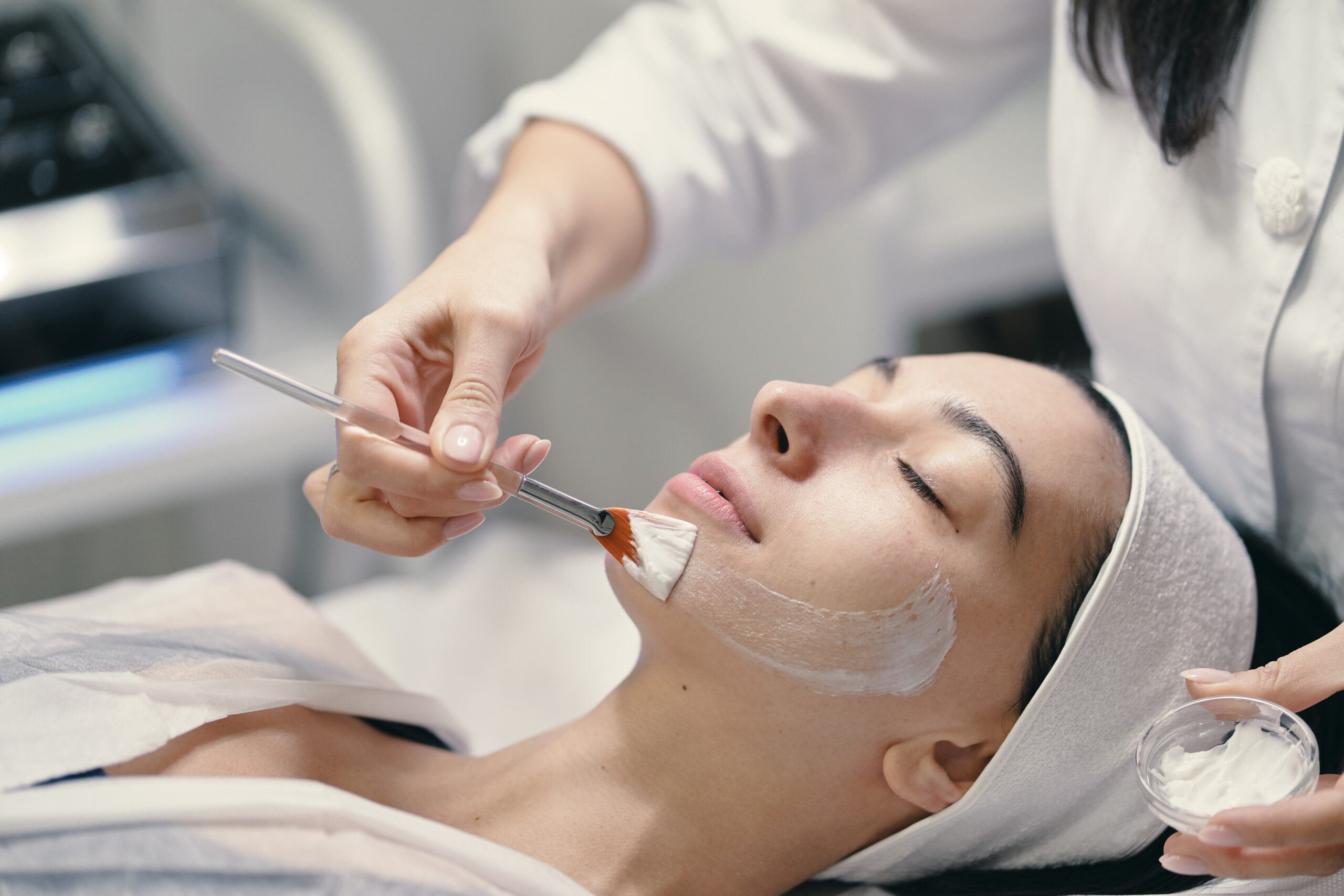
A chemical skin peel is an advanced exfoliation treatment designed to improve skin texture, hyperpigmentation, acne and visible signs of ageing.
During treatment, a controlled acid solution is applied to the skin to carefully loosen and remove damaged surface cells. This supports the skin's natural cellular renewal process, helping reveal fresher, smoother and more even-looking skin underneath.
By removing dead skin-cell build-up, chemical peels can also help skincare products absorb more effectively and leave the complexion looking clearer and revitalised.
A professionally selected peel can target multiple skin concerns while supporting a smoother, brighter and more balanced-looking complexion.
Helps remove surface build-up and refine rough or uneven-looking skin.
Supports a fresher, more radiant appearance by encouraging natural skin renewal.
Can help improve the appearance of pigmentation, sun damage and uneven skin tone.
Supports skin renewal and can soften the appearance of fine lines and early signs of ageing.
Helps unclog pores and improve the appearance of congestion, blemishes and post-acne marks.
Encourages cellular turnover and supports a firmer, smoother and refreshed-looking complexion.
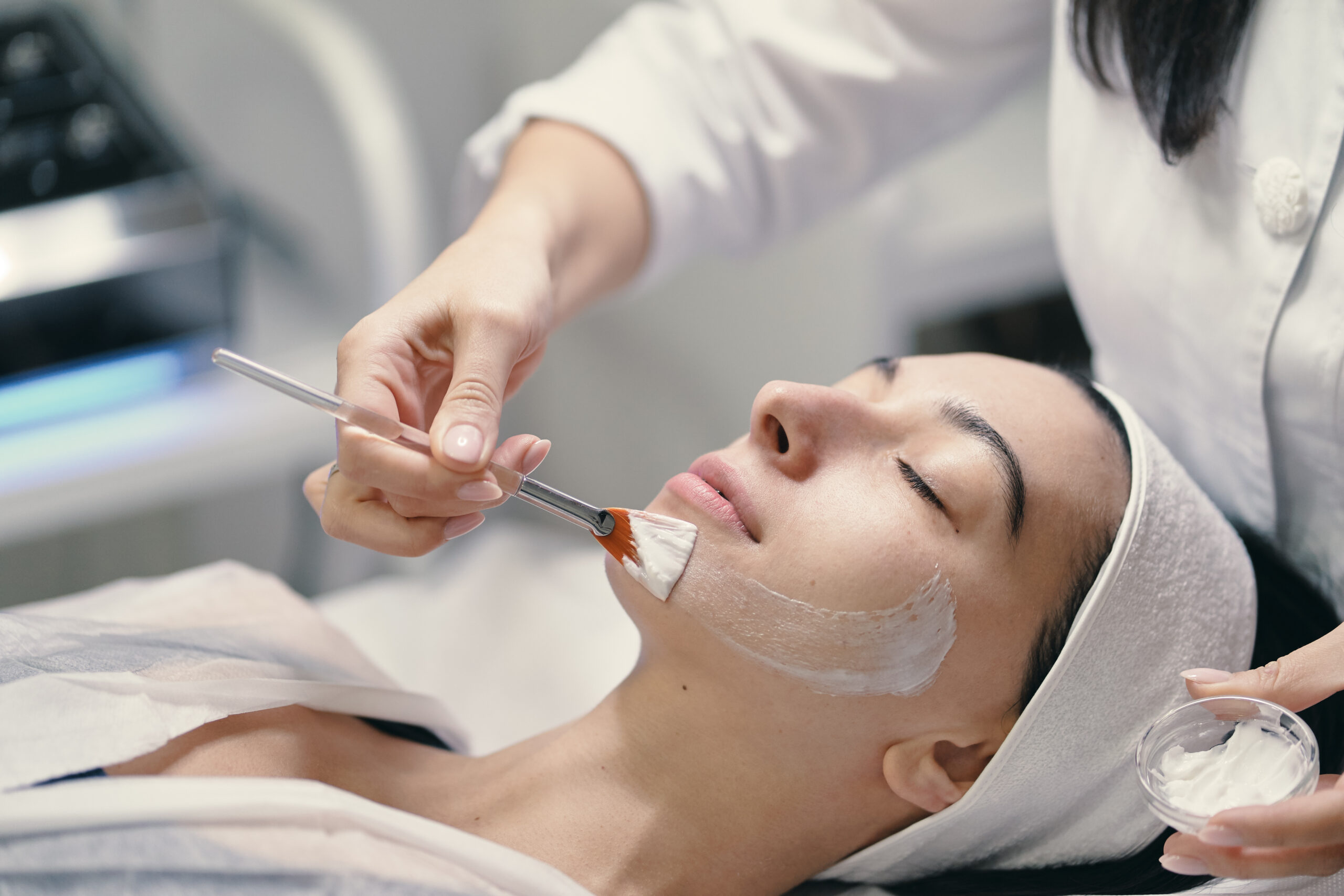
Chemical peels are versatile treatments that can be selected according to your skin type, concerns and desired level of resurfacing.
Your treatment is approached carefully, with the peel selected according to your skin and individual concerns.
Your skin, concerns and treatment goals are reviewed before selecting an appropriate approach.
The skin is carefully cleansed and prepared before the professional peel solution is applied.
The peel works at the appropriate depth to loosen damaged surface cells and support cellular renewal.
Aftercare focuses on hydration, skin protection and supporting the renewal process following treatment.
You may notice a brighter, smoother-looking complexion after one session. For deeper or persistent concerns, a treatment course may be recommended.
Find answers to common questions about treatment, recovery, suitability and aftercare.
Your treatment approach should be selected according to your individual skin type and concerns.
A chemical peel is a skin-rejuvenation treatment where a clinical acid solution is applied to the skin. It carefully loosens damaged surface cells, supporting the body's natural cellular renewal process and revealing fresher, smoother and more even-looking skin underneath.
Depending on the peel selected, treatment can support concerns including fine lines, premature ageing, hyperpigmentation, sun damage, melasma, acne, congestion, enlarged pores, uneven texture and post-acne marks.
Most clients experience warmth, tingling or a prickly sensation while the peel is active. Superficial peels may feel like a mild itch, while deeper treatments can feel more intense. The treatment should not feel intolerably painful.
Not necessarily. Superficial peels can cause little or no visible flaking, sometimes only mild dryness. Medium-depth treatments may produce more visible shedding for several days.
Downtime depends on the strength and depth of the peel. Mild treatments may require little to no downtime, although temporary redness can occur. More advanced peels may involve approximately 3–7 days of tightness and visible flaking.
A single treatment may leave the complexion looking brighter and smoother. For concerns such as stubborn pigmentation, acne scarring or visible signs of ageing, a course of approximately 3–6 treatments spaced 2–4 weeks apart may be recommended depending on your skin.
Chemical peels can be suitable for a wide range of skin tones when the formulation and treatment approach are appropriately selected. Darker skin tones require particular care because unsuitable or overly aggressive treatment may increase the risk of pigmentation changes.
Post-treatment care is important. Do not pick or pull peeling skin. Use broad-spectrum SPF 30 or higher daily, keep the skin hydrated and avoid excessive heat such as saunas and strenuous workouts for around 48 hours.
Keep your routine gentle and avoid introducing irritating or strong active skincare ingredients until your skin has recovered.
Discover a personalised approach to professional skin resurfacing at Alicia Beauty & Aesthetics.
Complete the form below and our team will contact you shortly.